Balanced plate guide for steady energy
A balanced plate is a simple visual habit that helps you build satisfying meals with vegetables, protein and fiber for steadier energy through your day.
- Half your plate in colorful vegetables
- A quarter protein, a quarter fiber-rich starch
- Three easy meal templates to copy
- Pair the habit with a simple daily routine
Start with the picture, not the rules
Forget calorie math for a minute. Look at your plate and picture it as a simple map. Half is color, a quarter is protein, a quarter is a fiber-rich starch, and a little healthy fat finishes it off. That is the whole system, and it fits on any dinner table, lunch tray or takeout container.
The reason this layout is so popular is that it asks you to add good things rather than ban favorites. Recognized everyday basics such as vegetables, protein and fiber-rich foods tend to make meals more satisfying, which is exactly what you want when the afternoon slump arrives. You can read more about balanced eating in this MedlinePlus nutrition overview.
Fill half the plate with color
Vegetables are the easiest upgrade you can make, because they bring volume, crunch and fiber for very little effort. Aim for at least two colors per meal. Think leafy greens with roasted peppers, or tomatoes with cucumbers and a squeeze of lemon.
Short on time? Keep these on hand:
- Bagged salad greens that need no chopping
- Frozen vegetable blends you can steam in minutes
- Cherry tomatoes and baby carrots for grab-and-go sides
- Pre-cut cauliflower or broccoli florets for sheet-pan dinners
A good rule: if you only add one thing to tonight's dinner, make it a vegetable side. Our guide to fiber-rich foods for everyday meals has plenty more ideas to rotate through the week.
Pick a protein and a smart starch
A palm-sized portion of protein gives your plate staying power. Eggs, fish, chicken, beans, lentils, tofu and Greek yogurt all work, so choose whatever you enjoy and rotate through the week.
For the starch quarter, lean toward options that keep their fiber: brown rice, quinoa, oats, whole grain bread, sweet potatoes and beans. Cooked-and-cooled potatoes or rice are fine too. Variety matters more than perfection here, and a bowl of your favorite pasta can still sit comfortably in that quarter.
Finish with a small amount of healthy fat such as olive oil, avocado, nuts or seeds. It adds flavor and makes vegetables something you actually look forward to.
Three plates you can build tonight
Here are easy templates to borrow, no recipe needed:
- Breakfast: two eggs, sauteed spinach, berries on the side and a slice of whole grain toast
- Lunch: a big salad topped with grilled chicken or chickpeas, a scoop of quinoa and olive oil dressing
- Dinner: baked salmon, roasted broccoli and a small sweet potato
Notice that none of these require special products. Once you see the pattern, you can rebuild it from whatever is in the fridge, and that is what makes the habit stick for the long run.
Where a daily routine like GlycoOliva fits
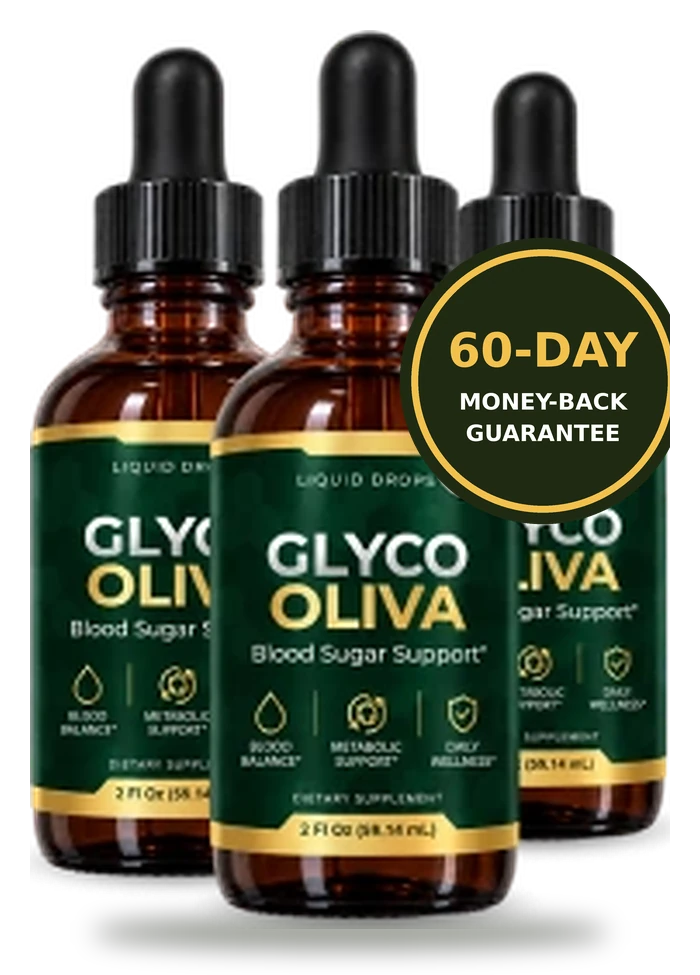
Great habits love company. Many people pair their balanced plate with one simple daily ritual so the routine feels anchored. GlycoOliva is a liquid dropper supplement, positioned by the brand for blood sugar support, and it is designed to slot into a daily routine alongside meals, movement and sleep. Follow the serving directions on the label.
Curious how it fits together? Start with GlycoOliva explained for the full overview, and when you are ready, see today's price on the order page. The brand backs every order with a 60-day money-back guarantee, handled through customer support.
The complete Supplement Facts panel is printed on the bottle label, and customer support can share details. As with any dietary supplement, it works best as a complement to a well-rounded plate, never a replacement for one.
Make the plate habit stick
Pick one meal to practice for a week. Breakfast is a popular choice because it sets the tone for the day. Then add a second meal the following week.
Pair your plate with an easy walk after meals, and you have a pair of habits that reinforce each other. The U.S. FDA dietary supplements page is also a handy reference if you want to learn how supplements are regulated.