Meal timing and daily rhythm
A loose, steady daily rhythm of meals, movement and rest can make your days feel smoother, and these sample schedules show how to find yours.
- Choose one fixed anchor meal
- Space meals four to five hours apart
- Let dinner land earlier when possible
- Add one consistent daily wellness anchor
Your day has a natural beat
Musicians talk about tempo, and your day has one too. Wake-up, meals, movement and wind-down all fall into a pattern, and when that pattern is steady, everything tends to feel smoother. You do not have to eat on a stopwatch. You only need a loose rhythm that your body can come to expect.
This guide is about finding your beat: when to eat, when to move, and how to keep things consistent without turning life into a spreadsheet.
Start with a gentle anchor
Choose one fixed point in your day. For most people, it is breakfast, or whatever you eat first. Eating at a similar time each morning gives the rest of the day a reliable starting line. Our morning routine for a balanced day offers a simple template to build around.
From there, space your meals so that you are comfortably hungry, not starving, when each one arrives. For many adults that means three meals roughly four to five hours apart, with an optional snack in between.
Pay attention to your own signals, too. Energy dips, restlessness and a growling stomach are all useful clues. If you regularly feel flat at 3 p.m., try moving lunch slightly later or adding a fiber-and-protein snack to see how your afternoon changes. Seeing your body as a source of feedback, rather than a problem to fix, makes experimenting enjoyable.
Sample rhythms to borrow
Real schedules differ, so here are two patterns:
- The classic: breakfast at 7:30, lunch at 12:30, a light snack at 3:30, dinner at 6:30
- The late starter: a small bite at 9:00, lunch at 1:00, snack at 4:00, dinner at 7:00
Either one works. What matters is that most days look roughly alike. Variety on weekends is perfectly normal, and a flexible rhythm is easier to keep than a rigid one.
Some research on meal timing is still developing, so there is no single perfect schedule. The reliable basics remain the same: balanced meals with vegetables, protein and fiber-rich foods, regular movement and good sleep. See the MedlinePlus nutrition resources for general guidance.
Let dinner land earlier when you can
Finishing dinner a few hours before bed gives you time to digest, stroll and wind down. It also fits beautifully with a steady sleep routine. Many people also enjoy a calmer dinner table when the meal is not squeezed in at the last minute. If your evenings run late, try moving your main meal to lunch and keeping dinner lighter.
A short walk after you eat is a classic rhythm-keeper. Our guide to walking after meals shows how ten minutes can bookend each meal with a pleasant reset.
Weave in one daily wellness anchor
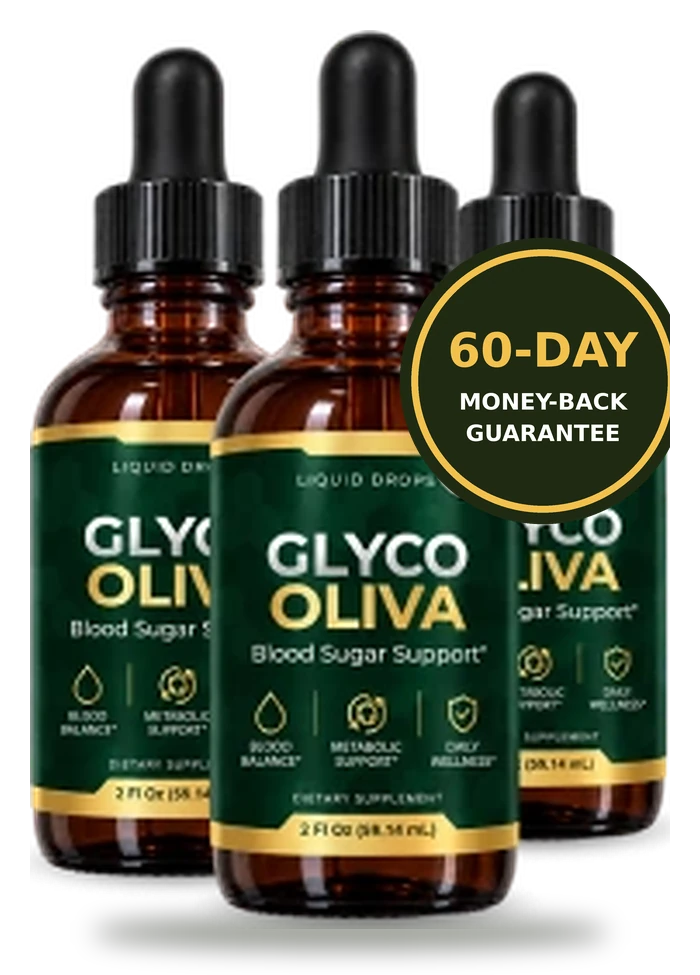
Rhythm thrives on small, repeatable moments. Some people choose a consistent time for their daily GlycoOliva drops, perhaps with the first glass of water or alongside a regular meal. The brand positions GlycoOliva, a liquid dropper supplement in a 2 fl oz amber glass bottle, for blood sugar support, with label icons for Blood Balance, Metabolic Support and Daily Wellness. Follow the serving directions on the label.
A consistent time makes the habit effortless to remember. Explore how GlycoOliva works for more detail, then see today's price on the order page. The brand states it is made in the USA and GMP certified, and every order carries a 60-day money-back guarantee through customer support.
Troubleshooting a bumpy week
Travel, holidays and long workdays will shake any schedule. Hunger cues may shift, restaurants decide your timing, and the usual snacks are out of reach. When that happens, return to your anchor meal and carry on. You do not need to make up for anything. Simply resume the rhythm at the next opportunity.
Pack snacks that pair fiber and protein, drink water regularly, and take a stroll when you can. The CDC physical activity basics page is a great reminder that movement adds up in short bursts, which is perfect for a travel day.